
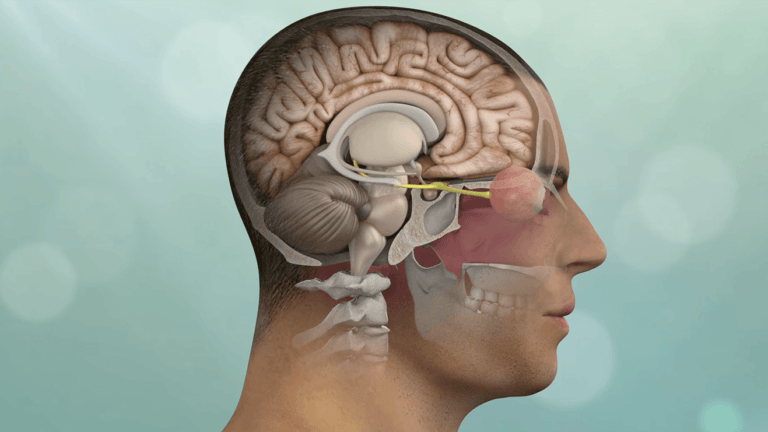
Brain cancer occurs when abnormal cells in the brain grow uncontrollably, forming a mass or tumour that can interfere with vital brain functions such as memory, movement, speech, and vision. These tumours may originate in the brain itself (known as primary brain tumours) or spread from other parts of the body (secondary or metastatic brain tumours).
The severity and treatment of brain cancer depend on several factors, including the type, size, and location of the tumour, as well as how quickly it grows. Some tumours are slow-growing and may be benign, while others are aggressive and malignant. Early diagnosis and timely medical intervention are essential to manage symptoms, control tumour growth, and improve overall outcomes.
Brain cancer includes various types of tumors that develop within the brain. Each type has unique features and may require different treatments. Here are some common types:
Gliomas are tumors that start in the glial cells of the brain. They can vary in their level of aggressiveness and include types like glioblastomas, astrocytomas, and oligodendrogliomas.
Meningiomas develop in the meninges, the protective layers surrounding the brain and spinal cord. They are often slow-growing and can be either benign or malignant.
These tumors occur in the pituitary gland, which is located at the base of the brain and regulates important hormones. Pituitary tumors can affect hormone levels and cause various symptoms.
Medulloblastomas are fast-growing tumors that typically develop in the cerebellum, the part of the brain that controls balance and coordination. These tumors are more common in children but can also occur in adults.
At s, our multidisciplinary oncology team designs treatment plans specifically for each patient to ensure the best care based on their tumor type.
The exact cause of brain cancer is not fully understood, but it often involves changes in the DNA of brain cells, leading to uncontrolled growth.
Causes of Primary Brain Tumors: These tumors start within the brain itself or in nearby tissues. The primary cause is believed to be genetic mutations that occur spontaneously in brain cells, causing them to grow uncontrollably and form tumors.
Causes of Secondary Brain Tumors: These tumors occur when cancer cells from other parts of the body spread to the brain, a process known as metastasis. This can happen with various cancers, including breast, colon, kidney, lung cancer, and melanoma.
While the exact cause of brain cancer remains unclear, certain factors may increase the risk of developing brain tumors:
It’s important for individuals with these risk factors to stay proactive by scheduling regular check-ups and consulting healthcare professionals for guidance. Being informed and seeking support can help in maintaining overall health and well-being.
Brain cancer symptoms can vary widely depending on the tumor's size, type, and location. Common symptoms may include:
These symptoms can also be caused by other medical conditions, so it’s important to consult a healthcare professional for an accurate diagnosis.
At s, we follow a comprehensive, step-by-step diagnostic approach to ensure early detection, accurate assessment, and precise treatment planning for brain tumors. Every patient is cared for by a multidisciplinary team of neurologists, neurosurgeons, oncologists, radiologists, and pathologists who collaborate closely at every stage.
The diagnostic journey begins with a detailed medical history and neurological examination. Our specialists evaluate symptoms such as persistent headaches, vision or speech changes, loss of coordination, or seizures. This helps determine the location and possible nature of the tumor and guides the choice of further investigations. Patients are also asked about family history, prior radiation exposure, and lifestyle factors that may influence brain health.
Imaging plays a central role in brain cancer diagnosis. At s, we use the latest neuroimaging technology for clear and accurate visualisation.
Blood tests may be recommended to assess overall health and detect any biochemical abnormalities. In some cases, genetic and molecular profiling of the tumor is performed to understand its specific characteristics, which helps personalise treatment and predict response to targeted therapies.
If imaging suggests a tumor, a biopsy is usually the next step for confirmation.
After diagnostic results are available, each case is reviewed in a multidisciplinary tumor board meeting to ensure a personalised, evidence-based treatment plan aligned with international best practices. Following this, patients and their families receive detailed counseling about the tumor type, stage, and treatment options, with our care team providing emotional support and clear guidance before therapy begins.
At s, treating brain cancer involves a carefully tailored approach, combining the latest medical advancements with compassionate care. Our treatment plan is designed based on the tumor’s type, location, and the patient’s overall health, and it may include one or more of the following:
Surgery is often the first and most common step in treating a brain tumor. The goal is to safely remove as much of the tumor as possible (maximal safe resection) to relieve symptoms, improve function, and allow for an accurate diagnosis.
Radiation therapy uses high-energy beams (like X-rays, gamma rays, or protons) to destroy cancer cells and shrink the tumor. It is commonly used after surgery to target any remaining cells or as a primary treatment if surgery is not an option.
These treatments use drugs to kill cancer cells or stop them from growing. They are often used in combination with surgery and radiation.
Chemotherapy drugs target rapidly dividing cells, including cancer cells. They can be given orally (as a pill, like Temozolomide/TMZ) or intravenously. For aggressive tumors like Glioblastoma, chemotherapy is standardly combined with radiation therapy.
Targeted therapies focus on specific genetic or molecular changes found in the tumor cells. By blocking these specific pathways, they can stop tumor growth with potentially fewer side effects than traditional chemotherapy. Examples include drugs that:
This FDA-approved treatment for Glioblastoma uses an innovative, non-invasive device (a wearable cap) to deliver low-intensity electrical fields. These fields disrupt the division of cancer cells, slowing the tumor's growth and spread.
For many patients, especially those with aggressive or recurrent cancers, clinical trials offer access to the newest therapeutic approaches before they are widely available. These may include:
At s, each treatment plan is carefully crafted to ensure the best possible outcome, focusing on both effectiveness and quality of life.
At s, we understand that brain cancer and its treatment can sometimes lead to complications that affect different aspects of a patient’s health and daily life. These complications may arise from the tumor itself or as side effects of treatment. Our multidisciplinary team works closely with patients to manage and minimise these challenges. Common complications include:
While it’s not possible to prevent brain cancer entirely, certain steps may help reduce the risk and promote overall brain health. At s, we encourage preventive measures and lifestyle choices that support long-term wellness.
Though brain cancer cannot always be prevented, awareness, early detection, and proactive lifestyle choices can make a meaningful difference in long-term outcomes.
The possibility of a cure depends on several factors, including the type, grade, and location of the tumor, as well as how early it is diagnosed. Some benign or low-grade tumors can be completely removed through surgery, while others may be managed long-term with advanced therapies to control growth and symptoms.
Treatment duration varies based on the type of therapy. Surgery is typically a one-time procedure followed by a recovery period, while radiation therapy may take several weeks. Chemotherapy or targeted therapies can continue for several months, depending on individual response and treatment goals.
Most brain cancers are not inherited, but certain rare genetic conditions such as Li-Fraumeni syndrome, Turcot syndrome, or neurofibromatosis can increase the risk. Genetic counseling is recommended for families with a strong history of brain or related cancers.
Beyond physical symptoms, patients may experience anxiety depression, or mood changes due to the tumor’s impact on brain function or the stress of treatment. At s, psychological support and counseling are integral parts of patient care to promote emotional well-being.
Yes. Eating a balanced diet, staying active as tolerated, maintaining good sleep hygiene, and avoiding tobacco or alcohol can improve strength, immunity, and overall recovery. Our nutritionists and rehabilitation experts guide each patient through tailored lifestyle recommendations.
Recovery varies depending on the tumor’s location and the type of surgery. Some patients recover quickly, while others may require physiotherapy, speech therapy, or occupational therapy to regain certain functions. Continuous monitoring and follow-up visits are essential.
Yes. Not all brain tumors require surgery. In cases where surgery is risky or not possible, radiation therapy, chemotherapy, targeted drug therapy, or Tumor Treating Fields (TTFields) may be used to control tumor growth and manage symptoms effectively.
Unfortunately, some brain tumors can recur, even after successful treatment. Regular MRI or CT scans and follow-up appointments help detect any recurrence early so that additional therapies can be started promptly.
Unlike other cancers that are staged by spread, brain tumors are graded based on how abnormal the cells look under a microscope. Grade I and II are usually slower-growing, while Grade III and IV are more aggressive and require intensive treatment..
Yes. Children often develop different types of brain tumors, such as medulloblastomas, which may respond differently to treatment. Pediatric oncologists at s use specialized protocols designed specifically for younger patients.
Many patients are able to return to work, school, or their normal activities, depending on the type and extent of treatment. Rehabilitation, follow-up care, and a supportive environment greatly enhance recovery and quality of life.
Follow-up schedules vary, but typically include MRI scans every few months initially, then less frequently over time. These visits monitor recovery, detect recurrence, and manage any long-term effects of treatment.
Yes. Clinical trials and research in immunotherapy, gene therapy, and precision medicine are rapidly advancing. s offers access to select clinical trials, allowing patients to benefit from the latest breakthroughs in brain cancer care.
© 2026, Dr Krishna Kant Singh. All Rights Reserved.